 PCR Tech and IT retail, distribution and vendor news
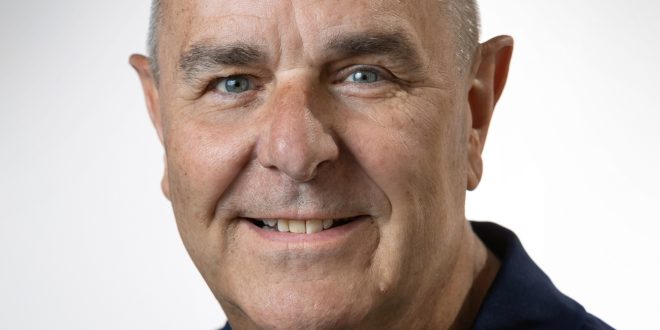
By Paul Butler, Sales Director UK & Ireland, AOC.
When I was at BETT in January, I met with Lynn, and she asked me what topics we could write about in PCR. One topic that has been very much on my mind recently is the state of mental health in the channel. I know quite a few people, not only in the UK, where pressure, overwork, trauma and loss of employment have pushed people over the edge.
Many years ago, when I was in my 30s, I went through a rough patch where I was trying to grow a new business, three children below six at home and my financial situation was under pressure. I was heading for a burnout. This was way back in the early 90’s, and Mental Health wasn’t a thing back then – ‘buckle up’ or slowly melt away were the only two solutions available.
The doctor saw it was depression brought on by anxiety and prescribed big red pills that sent me into an almost trance condition, and I was pretty much useless to my family and my business. After two weeks, I decided this was not the way I needed to go forward. I knew I needed downtime, I knew I needed distractions, and I knew I needed to develop coping skills to be able to deal with the pressures of the life I had chosen, both in business and at home. It was either that or slowly sink.
After those initial weeks, I stopped the pills, went back to work – probably not the best decision – and put a plan in place for what I needed to do to cope with the situation. What I also did, was find close friends and family to share with. Today, we see organisations like Men’s Mental Health or ANDYSMANCLUB who are ready to help, but it takes a lot of courage to pick up the phone or join and start the conversation. Back in those days, it was tough, and even today, the stigma of emotional men being seen as weak still remains. Close family and friends helped me release those emotions. Not for them to solve my problems, but to share and get some relief and also to know I was not alone. It also opened the opportunities for me to see that my work, life and family balance was completely out of kilter.
The following years taught me how to balance my work life, find releases for the stress, how to make time for myself and build the balance I needed. Introduce hobbies and interests outside both work and the family, where I could be myself and not someone’s boss or someone’s dad for a few hours a week. Neither the business nor the family suffered; in fact, they saw a happier, better person who was more focused and fun to be around.
Since then, I have gone on to thirty more years of my career and learnt a lot of coping mechanisms, including isolation, meditation, involvement in outside organisations, and hobbies which have no impact on my work at all.
I have also become a mentor to others to help them on their path when they are suffering similar problems and need to reach out for themselves. It is different for everybody; nobody is the same, nor has the same ability for coping, but the first step is admitting to themselves they need help and reaching out. The solutions are different for everyone. Anxiety, trauma and nervous-system dysregulation are much better understood and diagnosed these days than ever before.
Today’s businesses are not new to these topics, and good organisations will have recommendations via HR, the stigma of mental health is not so fraught as in previous years, and it is more likely that people will admit they have or had some issue in the recent past. Maybe still ongoing and under treatment. This does not mean they can’t do their job; it means they will do their job better because of the treatments, coaching, and counselling they are receiving.
I am writing this article because I see many people in the channel still struggling and hiding their pain from others, and I want to say, please reach out. The important people will respect you for standing up for yourself. The people who think that ‘woke’ and ‘weak’ are probably the same people who never had the support in the past and likely will not be the leaders of future teams, and are unable to get the best from their people and businesses.
I saw a very good initiative at Insight Ignite last year, and I often put this into practice when I am driving around. Call a friend, ask them, “Are you ok?” “Are you good?” “I mean, really, is everything okay, family, work, finances?” The worst you will get is a “mind your own business” or similar short, sharp words. But you could be opening someone up to engage and start a conversation, which allows them to talk about sensitive issues. They are not after a solution, just for someone to listen.
Do it today. Call one friend on your way home after work. Are they really okay?
It’s good to talk!
This week is Mental Health Awareness week, and the theme is Action.
Take action for yourself or someone else.